Le Carbet
Le Carbet, a commune on Martinique's northern Caribbean coast, captivates with its gray volcanic sand beaches, connections to Gauguin and Columbus, and its proximity to Saint-Pierre.
Le Carbet is a coastal commune on Martinique's Caribbean shore, nestled between Saint-Pierre to the north and Case-Pilote to the south. Renowned for its gray volcanic sand beaches, marine environments ideal for snorkeling, and its historical connection to Christopher Columbus, it offers a rare balance between unspoiled nature, rich heritage, and authentic village life.
Quick Essentials
- Access: National Route RN2 from Fort-de-France (approximately 20 km north); TC buses from Fort-de-France (northern Caribbean line).
- Recommended duration: half-day to full day depending on activities.
- Attire: swimsuit for beaches; appropriate clothing in town.
- Accessibility: the town center is relatively flat; beaches remain challenging for wheelchair users.
What to See
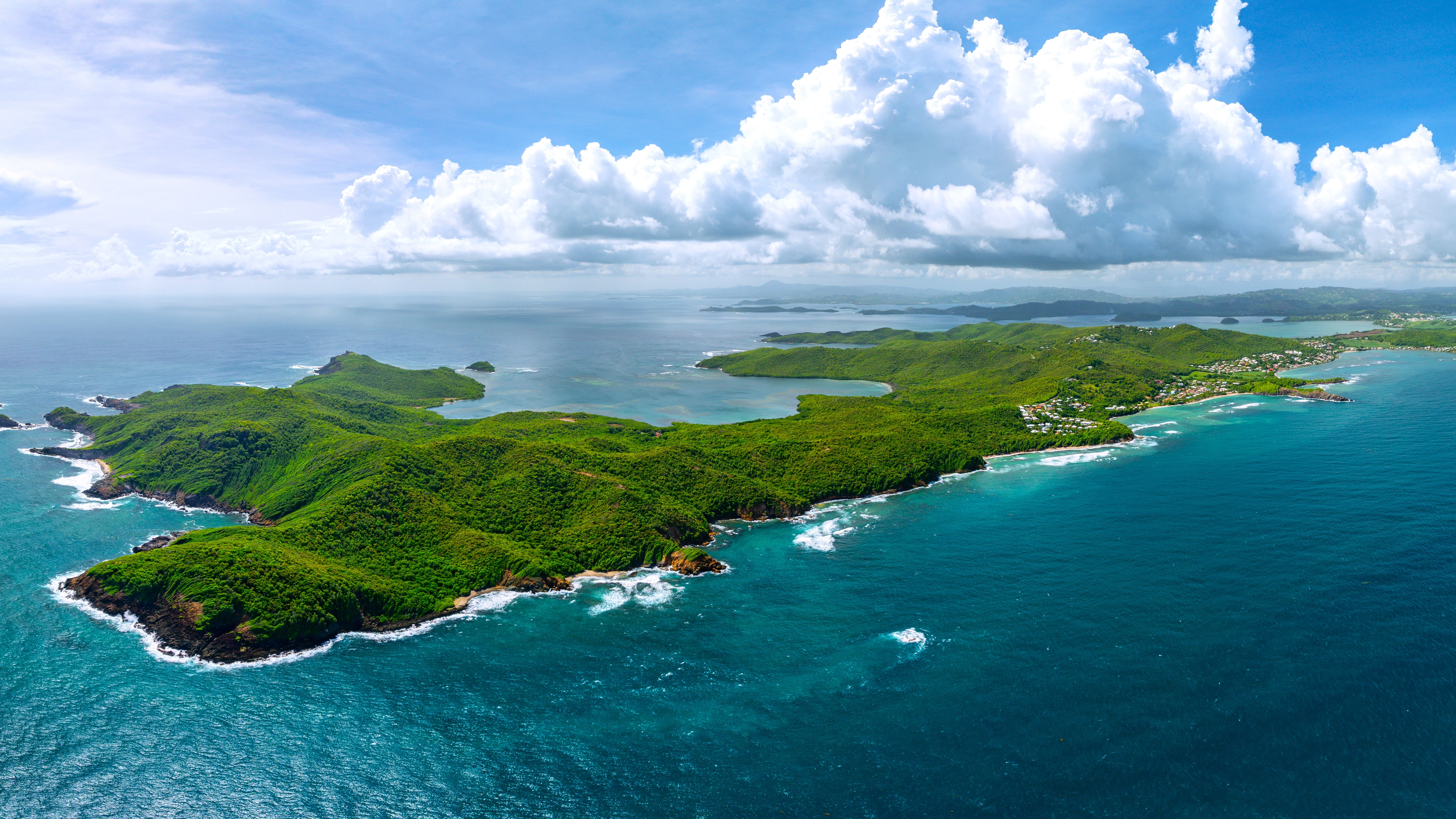
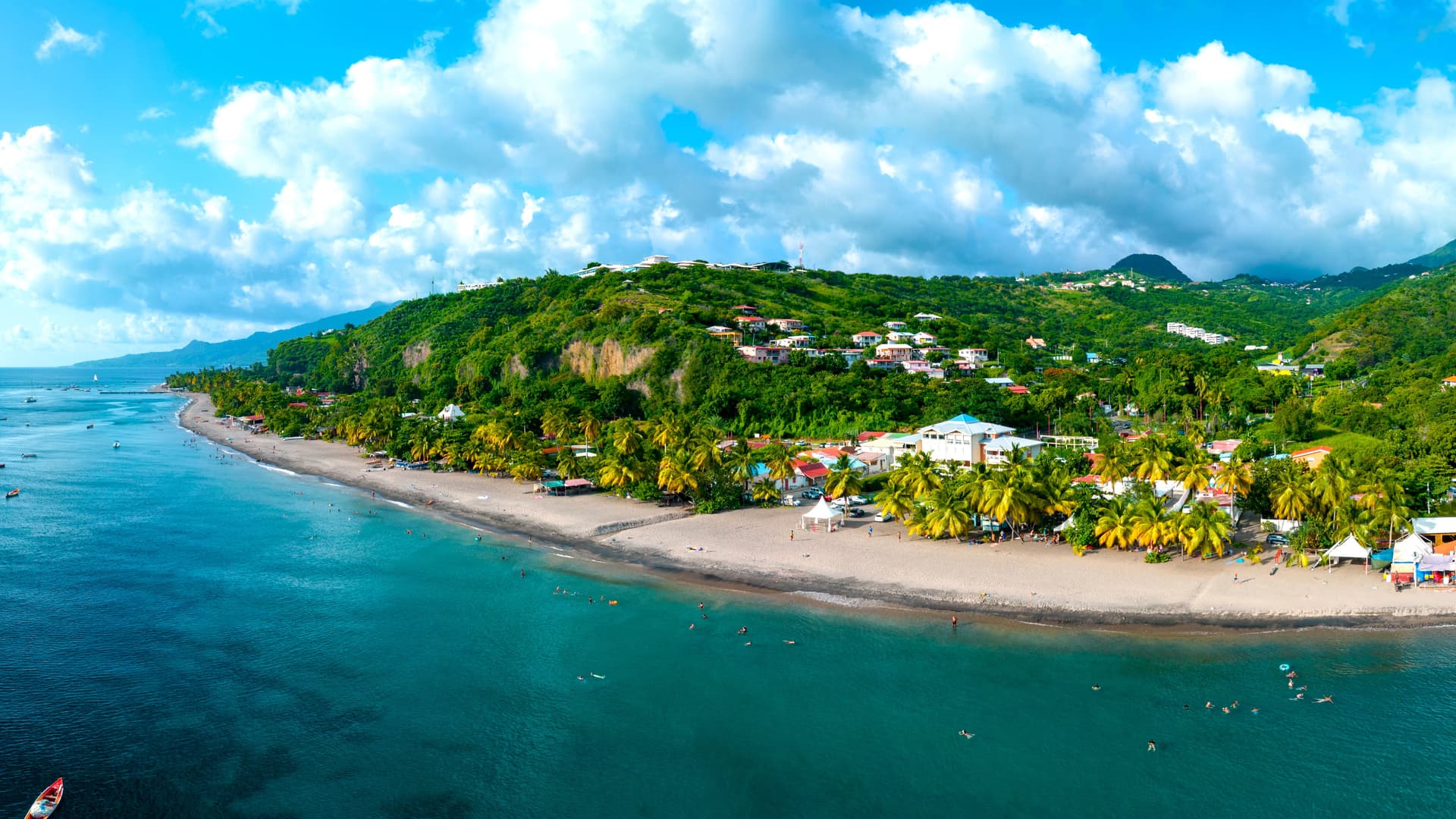
Le Carbet reveals itself on multiple scales. Pebble and gray volcanic sand beaches stretch along the coastline, with calm waters perfect for swimming. The town preserves modest Creole architecture, enlivened by a local market. Further inland, higher elevations offer vistas across the Caribbean Sea and surrounding hills.
History and Context
Christopher Columbus is believed to have landed at Le Carbet during his fourth voyage in 1502 — among the first documented European contacts with Martinique. Painter Paul Gauguin stayed here in 1887 before departing for Tahiti, drawn by the island's light and colors. A commemorative stone marks this passage in the town. Nearby Saint-Pierre stands as a reminder of the 1902 disaster: the eruption of Montagne Pelée that destroyed the city and whose effects Le Carbet experienced.
Highlights of Your Visit
Volcanic Sand Beaches
The gray-black sand, characteristic of the northern Caribbean coast, contrasts strikingly with the intense blue of the sea. Shallow waters near the shore suit family swimming. Certain spots allow you to observe tropical fish while snorkeling.
The Gauguin Stone
A stone marker in town commemorates painter Paul Gauguin's 1887 stay at Le Carbet. This passage directly preceded his departure for Polynesia: the Martinique light profoundly influenced his artistic evolution.
The Columbus Landing Site
A monument recalls Christopher Columbus's presumed landing in 1502. Positioned along the waterfront, this site offers coastal views and serves as a historical landmark for understanding the colonization of the Caribbean.
Hills and Inland Heights
Roads climbing toward the interior cross dense tropical vegetation. Viewpoints overlooking the Caribbean Sea and Saint-Pierre to the north deserve a visit, particularly in late afternoon.
Photography Tips
Morning light is ideal on the beaches: volcanic sand catches silvery reflections and the sea remains calm. In late afternoon, sunsets over the Caribbean from the waterfront are particularly striking. For village portraiture, the morning market offers scenes of authentic daily life.
Location and Access
Le Carbet sits on the Caribbean coast, approximately 20 km north of Fort-de-France via RN2. The commune is served by TC buses (northern Caribbean line) from Fort-de-France. Saint-Pierre lies just a few kilometers to the north, easily accessible by car or bus. Case-Pilote is the neighboring commune to the south.
Nearby Attractions
- Saint-Pierre — Martinique's former cultural capital, destroyed by the 1902 eruption; its underwater wrecks attract divers from around the world.
- Montagne Pelée — Martinique's iconic volcano, accessible to hikers from the island's north.
- Case-Pilote — Coastal town to the south, known for its church, among Martinique's oldest.
- Fort-de-France — Martinique's administrative and economic capital, about twenty kilometers to the south.
Frequently asked questions
The dry season (December to May) offers the best conditions: calm seas, clear skies, and pleasant temperatures. The rainy season (June to November) remains viable but showers can be frequent.
Yes, the Caribbean-side waters are generally calm and gentle, making them accessible for families. The gray volcanic sand is characteristic of this northern coast.
Absolutely. The two communes are close along RN2. One day suffices to explore Le Carbet in the morning and Saint-Pierre in the afternoon, particularly the volcanology museum and waterfront.
Snorkeling is possible from certain beaches. For scuba diving, nearby Saint-Pierre is the reference site with its historic wrecks.
TC buses serve Le Carbet from Fort-de-France on the northern Caribbean line. The route hugs the coast and allows you to discover intermediate towns.